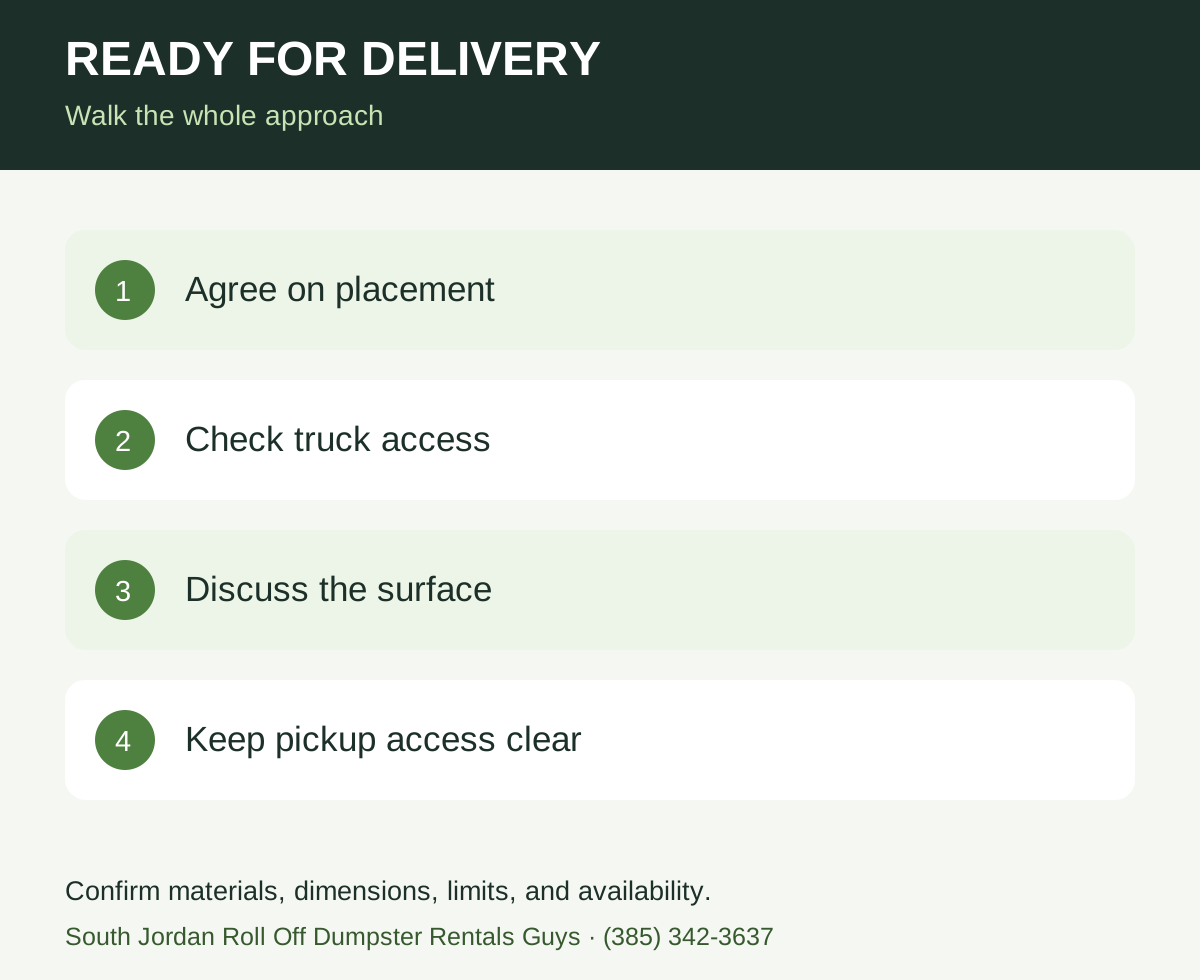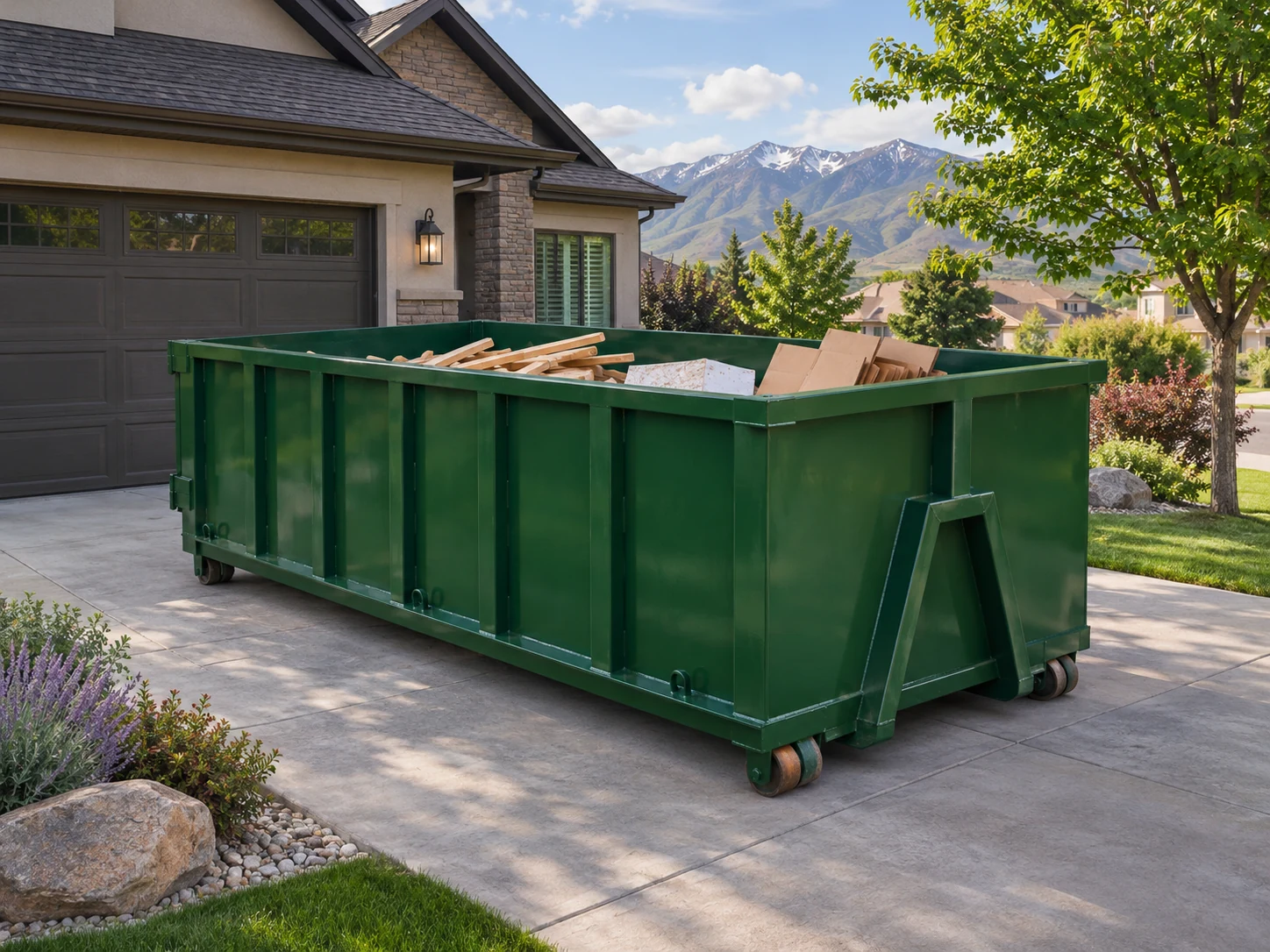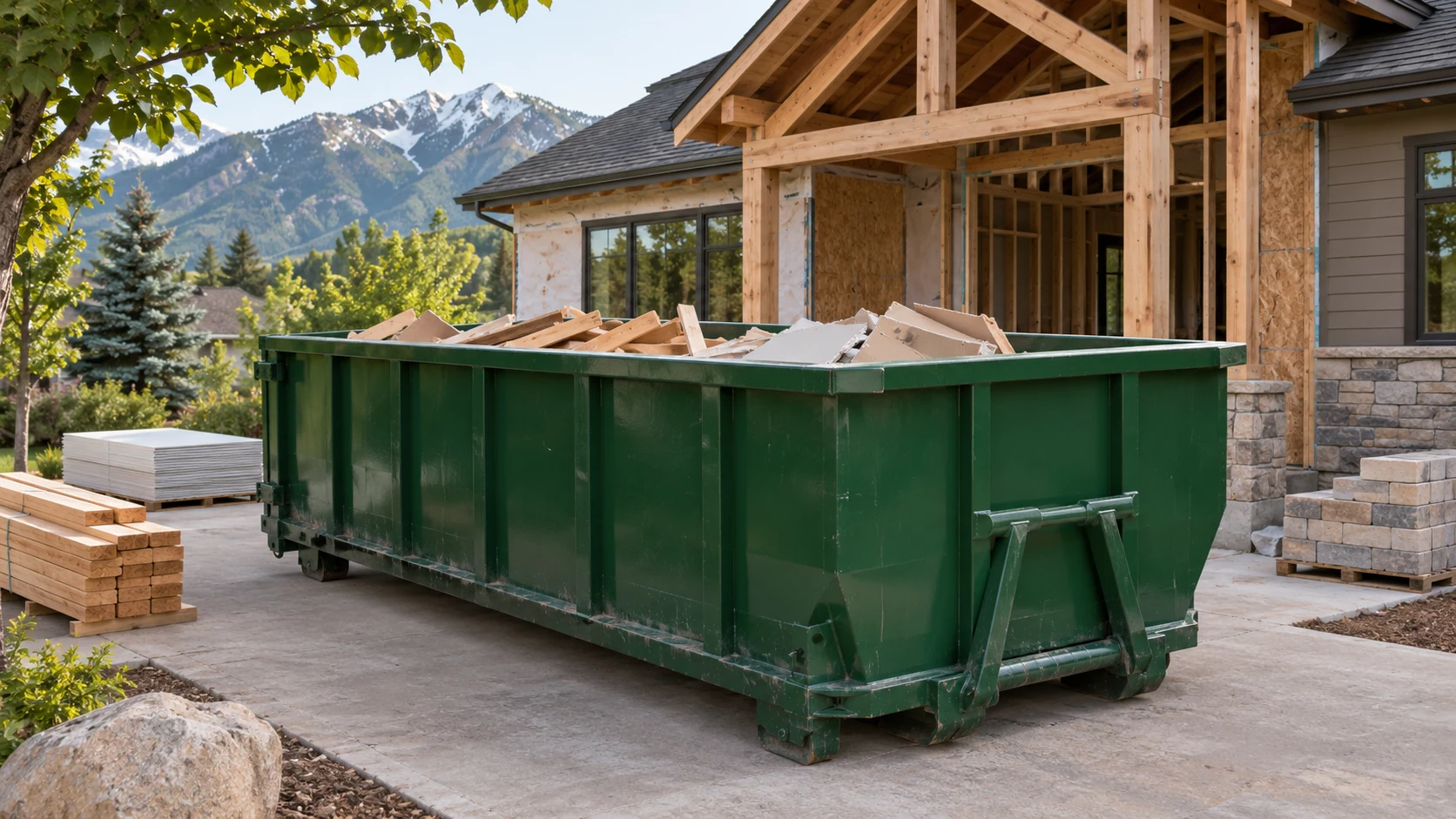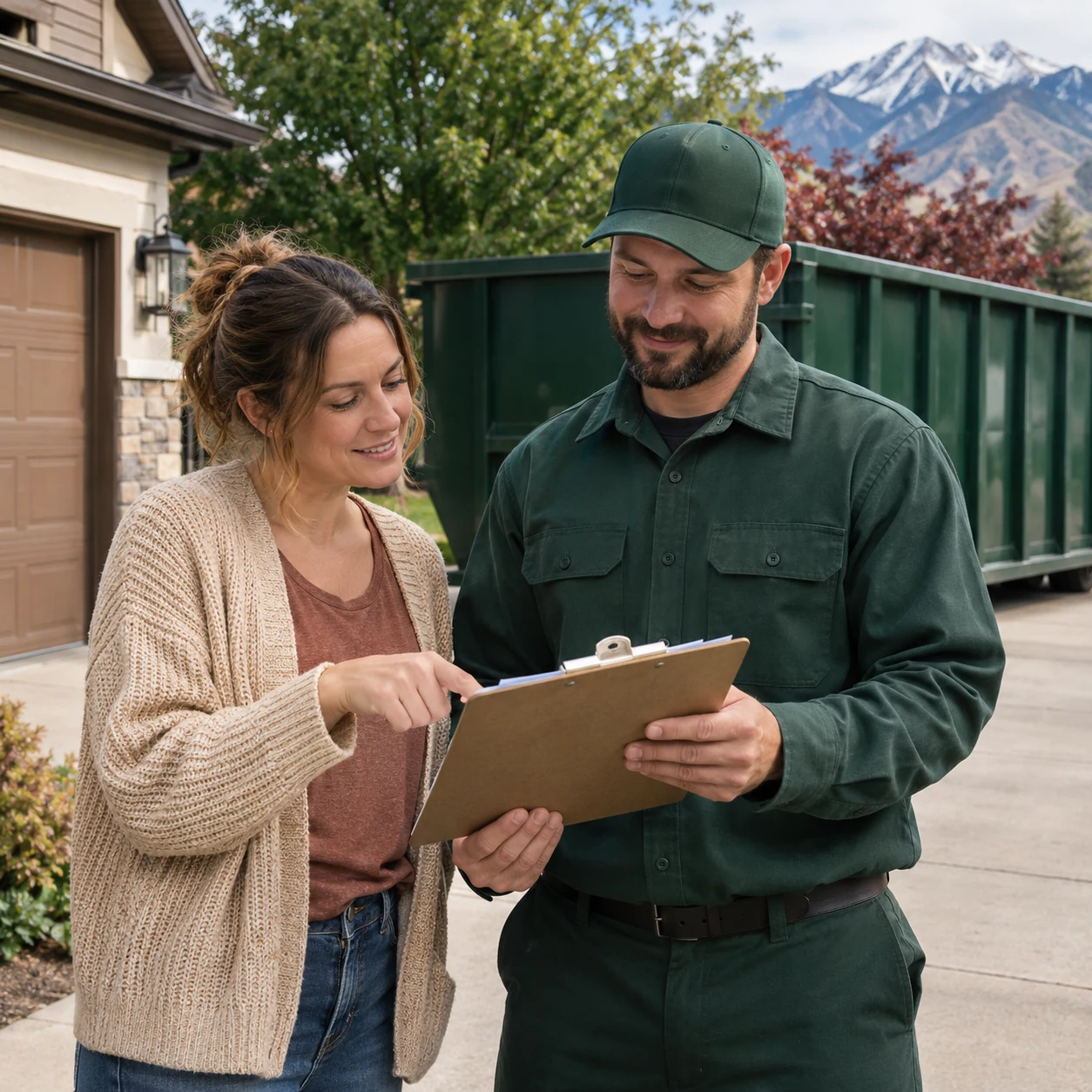
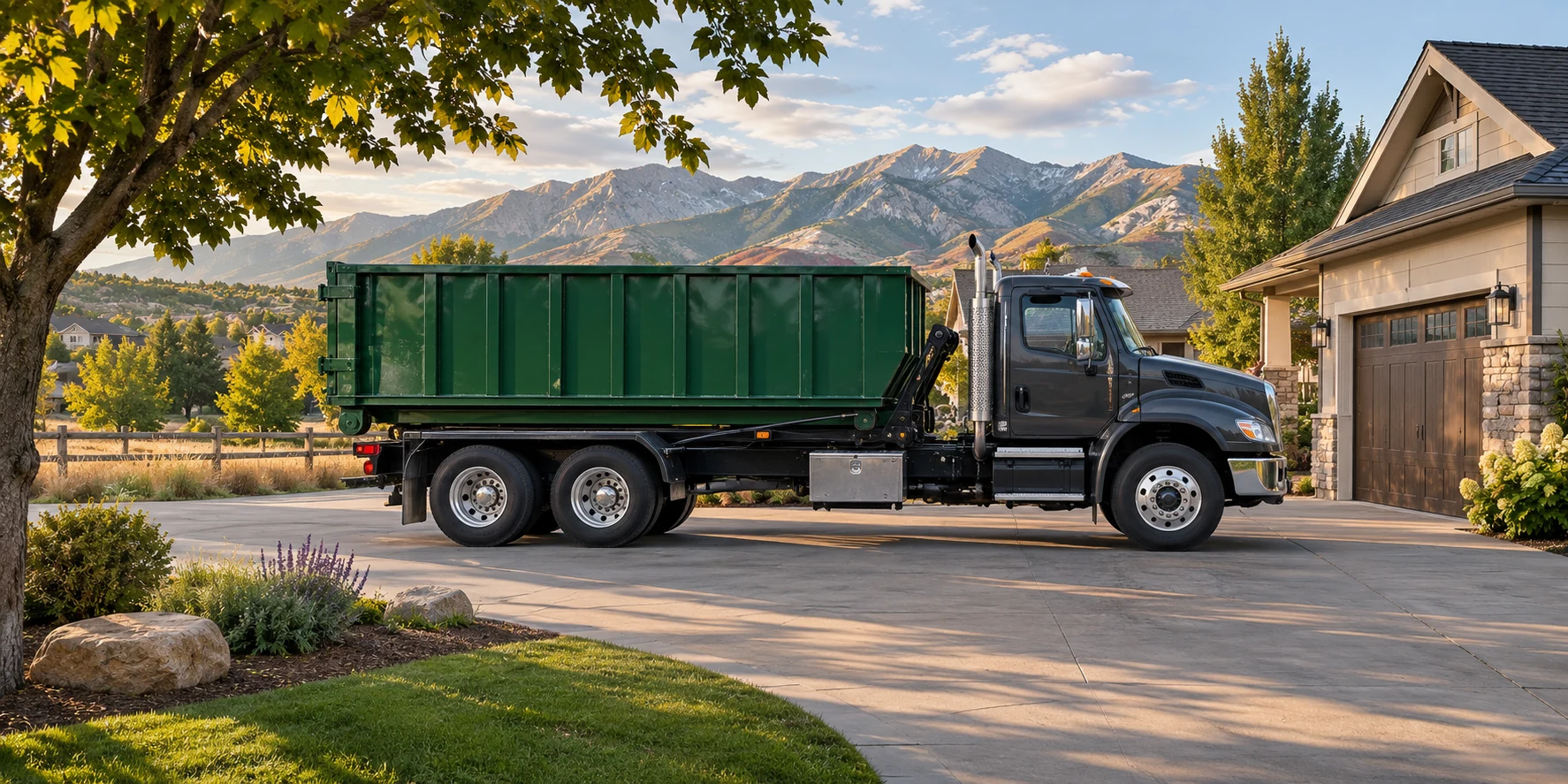
Prepare for dumpster delivery by agreeing on placement with the rental team, clearing the truck's approach, and confirming the surface and access requirements for the actual equipment. Keep a contact available for delivery questions. Do not assume that a container footprint alone proves a driveway is suitable for unloading or later pickup.
Pick a proposed position before booking
Start with a position that supports the cleanup and still allows necessary access. Think about the route from the work area, where people will carry material, and whether the container would prevent vehicles from leaving. Explain that proposal to the team before making it part of the project schedule. The driver must still be able to assess the delivery conditions.
Identify who controls the property. A tenant may need the owner's approval, and a shared driveway can involve more than one household or business. Confirm those arrangements before reserving space. If you are considering a street, sidewalk, or another public area, ask the responsible authority about the requirements for that location rather than applying a generic rule found online.
Describe the entire truck approach
Walk the route from the road to the proposed position. Note gates, narrow turns, parked vehicles, slopes, and nearby structures. Look above the route as well as along the ground. Trees, overhead lines, and building features can change where equipment can operate. Share photos or a clear description so the team can evaluate the relevant constraints.
Ask for the requirements of the truck and container being considered. A measurement from another rental company's diagram may not apply. Avoid treating your own driveway measurement as delivery approval. If the team requests more information, provide it before scheduling work that depends on the container being in place. Early questions are easier to address than a blocked arrival.
Discuss the driveway surface
Tell the team what surface would support the unit and whether you know of damage, weak edges, recent work, drainage issues, or other concerns. Surface suitability depends on conditions at the property and the equipment involved. Ask what protection, if any, the operator recommends. Do not rely on a promise that a dumpster can never mark or damage a driveway.
If you have permission to use protective materials, discuss their placement with the operator rather than positioning them where they could interfere with equipment. Keep sprinkler components, drains, and other vulnerable features in mind when considering the location. A different position may be more appropriate if the proposed surface cannot be assessed or the owner is unwilling to accept the arrangement.
Leave room for loading during the rental
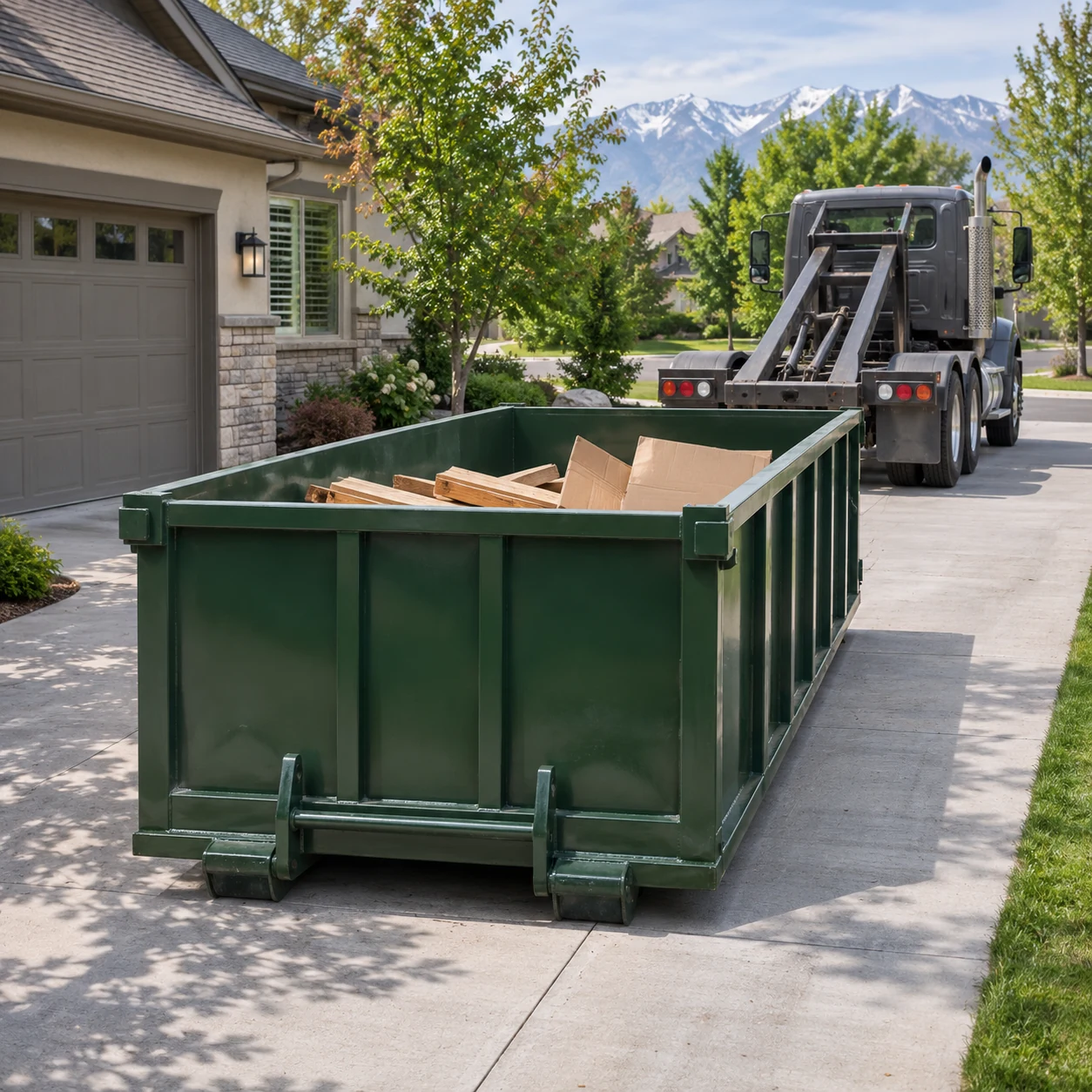
Consider how debris will enter the container. Ask whether the available unit has a loading door and how much room that door needs. Place the planned loading route where it will remain accessible after delivery. A container that fits tightly between parked vehicles may leave little useful room for carrying large items or opening equipment as intended.
Plan for ordinary property use too. Residents may need a walkway, a business may need deliveries, and contractors may need access to stored materials. Keep required entrances and emergency routes clear. Explain the arrangement to other people using the property so that they do not unknowingly park in the truck approach or move objects into the loading area.
Clear the area before the confirmed window
Move authorized vehicles, portable equipment, bins, and other removable obstacles before the agreed delivery window. Keep people and pets away from the operating area. Make sure the named contact can answer the phone and understands the proposed position. If another person will meet the driver, share the booking details and any placement discussion with them beforehand.
If conditions change, contact the rental team. A blocked gate, newly delivered materials, unexpected surface work, or another vehicle can affect the plan. Do not assume the driver can use an alternative spot that has not been approved. Give an update early enough for the team to consider the change and explain what can be confirmed.
Confirm contents before loading starts
A prepared driveway does not settle the material rules. Review the accepted contents, weight allowance, fill limit, and any separate handling instructions with everyone helping. Keep questionable chemicals, batteries, electronics, and refrigerant appliances aside. The EPA provides household hazardous waste guidance for products that need special disposal consideration.
Choose one person to answer loading questions and request changes. If your renovation reveals a material absent from the original inventory, stop and confirm before adding it. Do not place items above the operator's loading limit to avoid arranging another step. Ask about an exchange or other alternative while the container remains within its agreed limits.
Prepare for removal as carefully as arrival
Keep the truck's approach available throughout the rental. It is easy for building supplies, parked cars, or household storage to accumulate around a container after delivery. Review the area before the arranged pickup and move authorized obstacles. Tell the team about any access change that cannot be resolved, rather than waiting for the truck to arrive.
Confirm how pickup is requested and whether your planned removal date has been accepted. A rental period and an actual pickup arrangement are related details, but they are not always identical. Ask who to contact if the project runs longer, whether an extension is available, and which charges or schedule changes could follow. Keep that information with the booking record.
Use a short delivery conversation checklist
Take a final look at the property on the morning of the confirmed delivery. Conditions can change after the booking conversation: a visitor may park in the approach, a contractor may store supplies nearby, or a gate may be locked. Check the arrangements you control and notify the team about anything you cannot resolve. Keep the approved position clear without trying to direct equipment yourself. The purpose of preparation is to give the operator accurate information and a usable agreed area, while leaving the operating decision to the delivery team.
Before ending the booking call, repeat the site address, proposed position, access restrictions, contact name, and confirmed timing. Ask which decisions remain open. Have you checked the delivery operation as well as the container footprint? Will the same route remain available at pickup? Those two questions often reveal practical issues that a size comparison alone misses.
For a South Jordan household project, review residential dumpster rental and call (385) 342-3637 to discuss the property. The team can evaluate the proposed rental and availability from the details you provide. Sending a form or identifying a driveway space starts the planning process; final placement and scheduling still require confirmation.