
Building and remodeling
Give each work phase a container plan.
Construction dumpster rental gives South Jordan building and remodeling projects a defined collection point for approved debris. Describe the phase of work, materials, estimated quantity, and site access first. Confirm the container's weight allowance, loading rules, delivery space, and pickup schedule before demolition or removal begins.
Call us now(385) 342-3637
Explore our services 9 services
Plan the details before delivery
Materials, access, people, and rental terms all shape the request.
Separate construction volume from construction weight
A construction load can contain light packaging, bulky timber, dense flooring, or a combination. Those materials do not behave the same way in a container. Write a rough material inventory before requesting a size. Mention concrete, brick, soil, roofing, tile, and other dense components explicitly; acceptance and load limits must be checked for the actual rental.
Do not infer a weight allowance from a container's advertised capacity. Cubic yards describe volume, and the permitted weight is a separate term. Ask whether your debris requires a dedicated load, a lower fill level, or another approach. If the operator cannot confirm a material for that rental, keep it out until the plan is clarified.
Build delivery and pickup into the work sequence
Plan the first container around when debris will actually be generated. An early delivery can occupy scarce site space before work starts; a late one can leave a crew without a loading point. Share the demolition schedule, inspection milestones, and any other deliveries using the same access. Request a confirmed window rather than planning around an assumed arrival hour.
Discuss who requests removal and whether a full container needs replacement. Exchanges depend on scheduling and availability. Tell the team if a crew cannot continue without an empty container, and agree how updates will be communicated. If the material mix changes after work opens up a wall or floor, pause and confirm acceptance before adding the new debris.
Give the truck a clear and approved approach
A useful placement plan includes more than the container footprint. The truck needs an approach and room to perform the unloading operation. Share site photographs, gate widths, slope, overhead obstacles, and the surface where the unit would sit. Ask for requirements for the specific equipment rather than using a generic clearance measurement from another website.
Keep pedestrian routes and required access clear. Obtain the relevant approval before using public or shared space. On an occupied property, explain the delivery arrangement to residents or business users so vehicles do not block it. Have a named site contact available for questions, and arrange a different placement if the driver cannot safely use the original position.
Control what enters the container
Make the approved-material list part of the site briefing. Different trades may assume another crew has already checked an item. Keep chemicals, batteries, liquid waste, and suspect hazardous material separate, and do not disturb unknown material simply to fit it into the dumpster. Use qualified assessment where the project requires it.
Check the load during the project instead of waiting until pickup day. Follow the operator's fill line and loading instructions, keep access available, and tell the team about unexpected contents. A larger container does not remove handling restrictions. The right plan is the one that matches the debris stream, equipment limits, and site conditions together.
A practical project check
A kitchen remodel, one phase at a time.
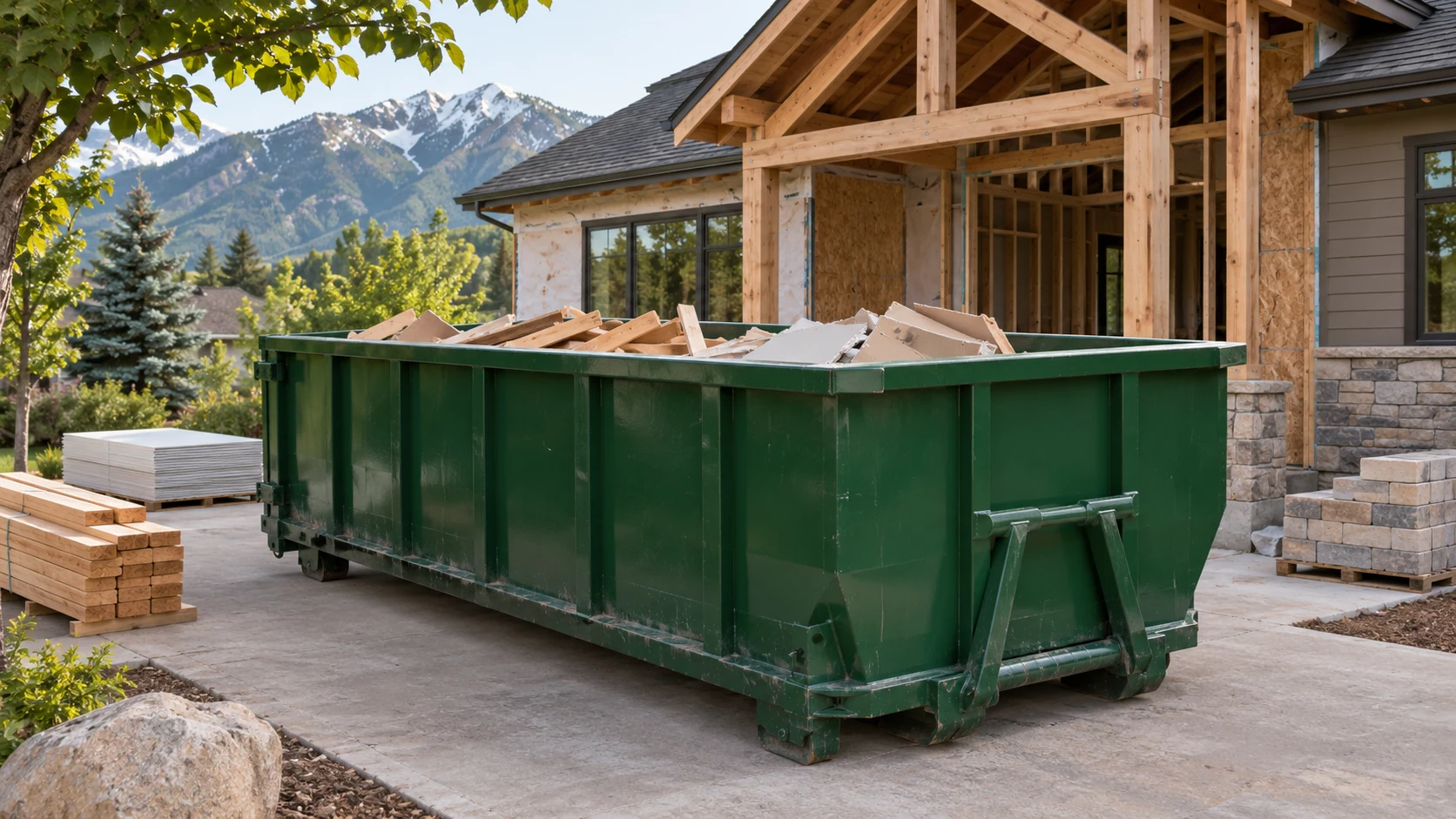
For a kitchen remodel, list cabinetry, packaging, fixtures, flooring, and wall material separately. Tell the team which removal phase comes first and whether later work introduces dense debris. Review the loading route with the contractor. Keep any material needing another arrangement separate, and confirm the collection sequence while the work schedule can accommodate changes.
Read the related planning guide